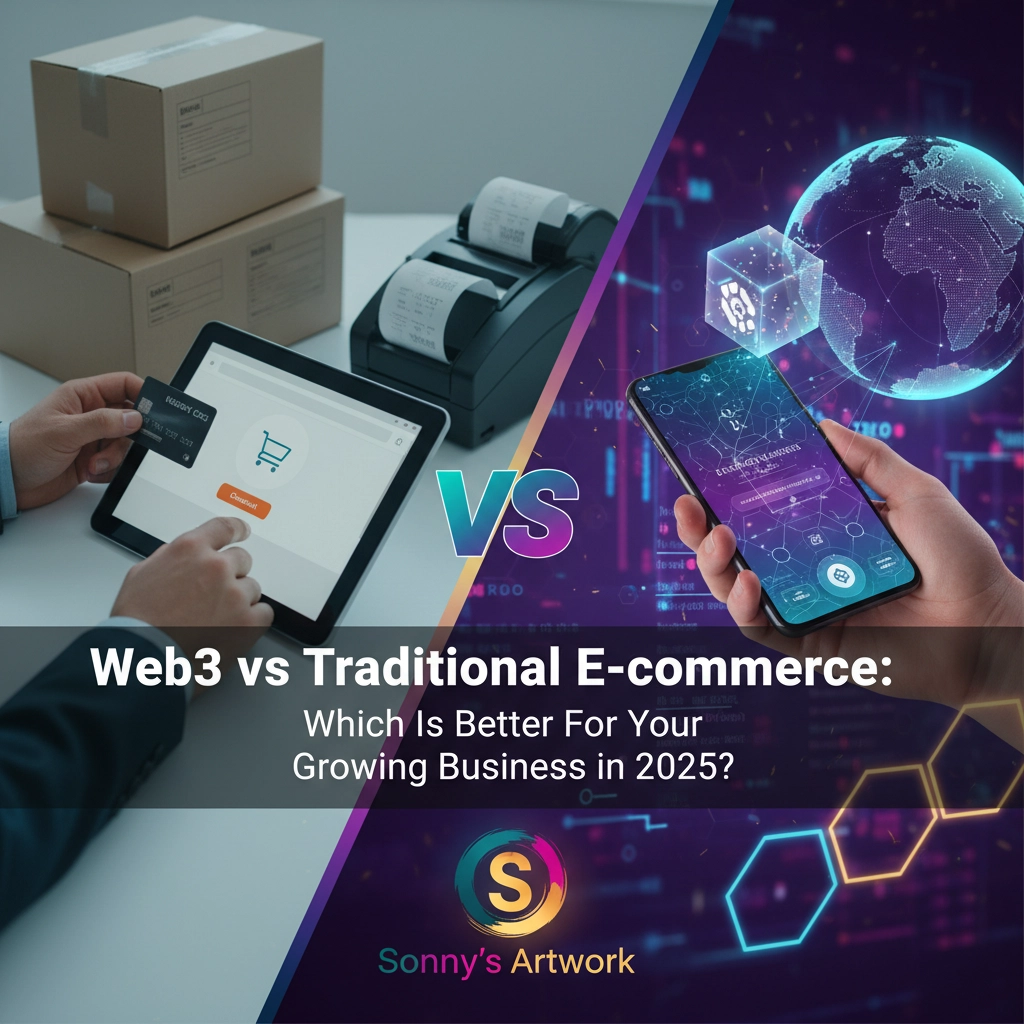

As we navigate through 2025, Web3—the decentralized evolution of the internet built on blockchain technology—is no longer a niche concept but a transformative force reshaping how businesses operate, innovate, and interact with customers. With advancements in blockchain, AI, and tokenization, companies are leveraging Web3 to enhance transparency, reduce intermediaries, and unlock new revenue streams. From Fortune 500 enterprises adopting decentralized finance to startups pioneering sustainable tech, Web3 is driving efficiency and inclusivity across industries. In this blog, we’ll explore the top trends defining Web3’s impact on business this year, backed by real-world examples and insights.
1. AI Integration with Blockchain: Decentralized Intelligence Takes Center Stage
The fusion of AI and Web3 is creating “decentralized AI” models that prioritize data privacy, transparency, and user ownership. Businesses are using AI-powered oracles and analytics to process on-chain data securely, detecting fraud and optimizing operations. For instance, AI-assisted tools are accelerating Web3 development by automating smart contract creation and predictive analytics in DeFi.forbes.com This trend is reshaping sectors like finance and healthcare, where companies can train AI models on decentralized data without central manipulation risks.community.nasscom.in In 2025, expect enterprises to invest in AI-blockchain hybrids for smarter supply chains and personalized customer experiences, potentially unlocking trillions in value.
2. Tokenization of Real-World Assets (RWAs): Bridging Traditional and Digital Economies
Tokenizing physical assets like real estate, commodities, and intellectual property is democratizing access to investments. Fractional ownership allows smaller investors to participate in high-value markets, while 24/7 trading on blockchain boosts liquidity.zypto.com Businesses in real estate and finance are leading, with tokenized gold or carbon credits becoming tradable assets.substack.com This trend reduces barriers for global investors and enables hybrid ecosystems, where traditional firms collaborate with Web3 projects. By 2025, RWAs could tokenize trillions in illiquid assets, revolutionizing asset management and creating new business models for fractionalized ownership.
3. Decentralized Physical Infrastructure Networks (DePINs): Powering Real-World Utilities
DePINs use blockchain to crowdsource and incentivize physical infrastructure, like wireless networks or mapping services. Projects such as Helium and Hivemapper are partnering with industries to build hybrid systems that combine blockchain rewards with existing hardware.forbes.com For businesses, this means cost-effective alternatives to centralized providers, enhancing scalability in IoT and logistics. In 2025, DePINs are expected to expand into energy grids and data storage, offering resilient, community-driven solutions that cut operational costs and foster innovation.
4. Maturation of Decentralized Finance (DeFi): From Hype to Mainstream Adoption
DeFi is evolving beyond basic lending and trading, with innovations in stablecoins and regenerative finance (ReFi) promoting sustainable economic models.bsetec.com Businesses are integrating DeFi for cross-border payments, yield farming, and financial inclusion, bypassing traditional banks. Stablecoins, pegged to fiat or assets, are stabilizing volatile markets and enabling seamless transactions.substack.com This year, expect DeFi to penetrate e-sports, remittances, and corporate treasury management, with projections showing massive growth in user adoption and regulatory clarity driving enterprise integration.
5. NFT Utility Boom: Beyond Collectibles to Real Experiences
NFTs are shifting from digital art to utility-driven assets, unlocking exclusive experiences in gaming, events, and branding. Brands like Gucci and Louis Vuitton are using NFTs for virtual fashion and loyalty programs, blending physical and digital worlds.technews180.com Businesses benefit from direct fan engagement, IP protection, and new monetization avenues.gloroots.com In 2025, AI-powered NFTs and metaverse integrations will dominate, with sales rising due to enhanced utility—think tokenized event tickets or in-game assets that generate real revenue.
6. Sustainable and Green Blockchain Solutions: Eco-Friendly Innovation
With environmental concerns mounting, Web3 is prioritizing energy-efficient protocols like proof-of-stake (PoS). Ethereum’s shift exemplifies this, reducing carbon footprints while maintaining security.techtarget.com Businesses are adopting green blockchains for supply chain tracking and carbon credit trading, appealing to eco-conscious consumers.rocknblock.io Trends like ReFi focus on reversing ecosystem damage through decentralized funding. By 2025, sustainability will be a key differentiator, helping companies meet regulations and attract impact investors.
7. Decentralized Identity (DID): Empowering User Privacy and Control
DID systems allow users to own and manage their data, reducing breaches and enhancing trust. Blockchain-based identities are revolutionizing KYC in finance and access control in apps.rocknblock.io Businesses gain from secure, verifiable credentials without centralized databases, streamlining onboarding and compliance. In 2025, DID will expand into healthcare and e-commerce, enabling privacy-focused interactions and fostering loyalty through user empowerment.
8. Interoperability and Cross-Chain Solutions: Seamless Ecosystems
Web3’s fragmented chains are uniting through interoperability protocols, allowing assets and data to flow across networks. This enables hybrid apps and reduces silos, benefiting businesses in multi-chain operations.bsetec.com Projects like Polkadot and Cosmos are leading, with 2025 seeing widespread adoption in DeFi and NFTs. For companies, this means efficient global collaborations and scalable solutions, unlocking broader market access.
9. Metaverse and Immersive Experiences: Virtual Business Frontiers
The metaverse is maturing with AR/VR integrations, creating virtual workspaces and commerce hubs. Businesses are building branded worlds for meetings, shopping, and training, blending Web3 with real economies.malgotechnologies.com Trends include gamified experiences and NFT-linked virtual assets. In 2025, expect explosive growth in enterprise metaverses, driving remote work efficiency and new revenue from digital real estate.
10. Enhanced User Experience and Mass Adoption: Simplifying Web3
Complex interfaces are giving way to intuitive designs, low-code tools, and gamification to onboard non-tech users.rocknblock.medium.com Businesses are focusing on empathy-driven UX to boost engagement, with AI simplifying wallets and dApps.merge.rocks This trend is crucial for scaling, as 2025 marks a pivot to mainstream adoption—think seamless crypto payments via Apple Pay integrations.forbes.com
Conclusion: Preparing Your Business for the Web3 Era
Web3 in 2025 isn’t just about technology—it’s about reimagining business models for a decentralized, user-centric world. Companies that embrace these trends, from AI-blockchain synergies to sustainable tokenization, will gain competitive edges in efficiency, innovation, and customer trust. Start by auditing your operations for blockchain fit, partnering with Web3 experts, and experimenting with pilots. The future is decentralized; position your business to thrive in it. Stay tuned for more insights as Web3 continues to evolve!